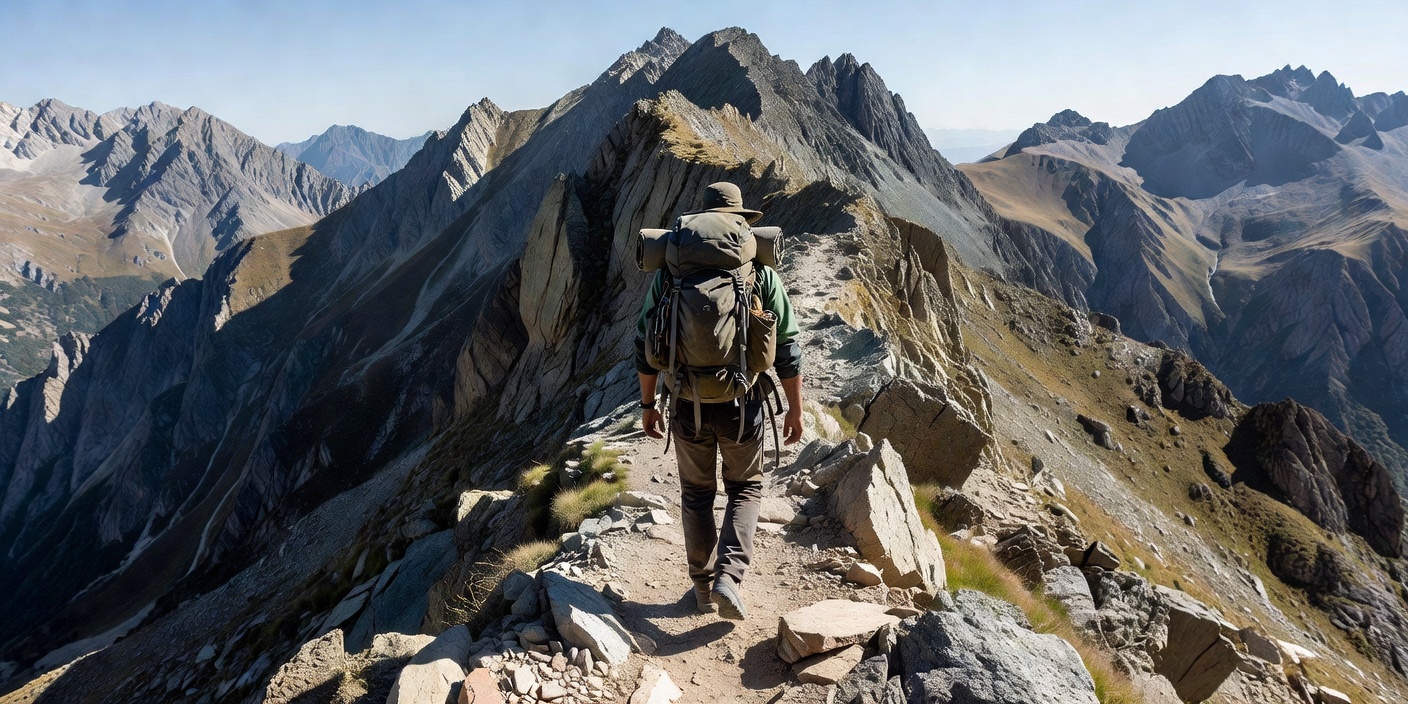
Transitioning from day hiking to backpacking introduces entirely new variables into the outdoor experience. You are no longer just visiting the wilderness; you are moving your entire base of operations through it. This shift requires strategic planning, physiological preparation, and a deep understanding of weight distribution and energy management.
Route Planning Parameters
For your first overnight trip, conservatism is paramount. A common beginner error is estimating backcountry mileage based on front-country walking speeds. A fit hiker might comfortably cover 3 miles per hour on flat, paved ground. With a 30-pound pack on varied, elevated terrain, that pace often drops to 1.5 miles per hour or less.
Select a route with modest elevation gain and a round-trip distance of no more than 10 to 12 miles. Prioritize trails with reliable water sources to avoid carrying excessive liquid weight. Identify established campsites on topographic maps before departure, ensuring they sit outside of sensitive riparian zones.
Understanding Pack Dynamics
The biomechanics of carrying loads depend heavily on pack structure and internal weight distribution. Modern internal frame backpacks are engineered to transfer up to 80% of the load directly to your iliac crest (hip bones). If your shoulders are bearing the brunt of the weight, the pack is either improperly sized or improperly adjusted.
Weight distribution follows specific geometric principles to maintain your center of gravity:
- Bottom Zone (The Base): Reserve this for bulky, compressible items you will not need until camp. The sleeping bag is traditionally packed here.
- Middle Zone (The Core): Heavy, dense items must sit close to your spine in the mid-back area. Bear canisters, hydration bladders, and food bags go here. Placing heavy items far away from your back acts as a lever, pulling you backward and disrupting balance.
- Top Zone (The Crown): Bulky, mid-weight items like extra clothing layers or water filters.
- Accessory Pockets: Maps, compasses, snacks, headlamps, and rain gear. Items required during the hike should be accessible without unbuckling the main compartment.
Leave No Trace Ethics
Backpacking inherently creates a larger footprint than day hiking. Mitigating this impact requires strict adherence to Leave No Trace principles. Camp at least 200 feet from lakes and streams to protect riparian environments and allow wildlife access to water. When answering the call of nature, dig a cathole 6-8 inches deep and similarly 200 feet away from water sources, trails, and camp.
Energy and Caloric Strategies
Backpacking induces significant caloric deficits. A rigorous mountain hike with a heavy pack can burn between 4,000 to 6,000 calories a day. Nutrition should focus on high caloric density—aiming for 120-150 calories per ounce of food weight. Complex carbohydrates dominate the day for sustained energy, while protein is critical in the evening to aid muscle recovery.
Hydration cannot be ignored. Waiting until you are thirsty means you are already dehydrated. Consume water continuously throughout the day, and utilize electrolytes to replace sodium and potassium lost through sweat, preventing severe cramping.
"The heaviest thing in your pack is the fear of not having enough, which often leads to carrying too much."
The Sleep System
Restorative sleep is the cornerstone of a successful multi-day trip. Your sleep system comprises the shelter, sleeping pad, and sleeping bag. The sleeping pad is critical not just for comfort, but for thermal isolation from the conductive cold of the ground. When evaluating a pad, observe its R-value (a measure of thermal resistance). For 3-season backpacking, an R-value of 3.0 or higher is generally recommended.
Backpacking is an iterative process. With each trip, you will refine your packing list, identifying gear that went unused and recognizing areas where weight can be shaved without compromising safety. Mastery comes from experience, meticulous planning, and an enduring respect for the terrain.